Skip to content

Search

Menu

What to grow in your food garden

What to grow in your food garden

To get the most from your food garden, make sure you plant for the right season as well as for our demanding weather systems and natural environment.

Green gardening is best

Make sure you consider the individual quality of your soil and microclimate before you begin planting and growing. Not every side of the mountain is the same; for example, some soil in the city is sandier than in other areas. It is also very important to plant indigenously – that is, to plant species which belong to this natural environment.


Top tip

You can find more information on invasive alien species on our Cape Town Invasives website. The Cape Town Green Map also has great tips on how to plant an indigenous garden. For more tips on how to create the right kind of garden, see SANBI's PlantZafrica site.

When planning your garden, there are some tried and trusted methods you can use to grow healthy, strong plants that are suited for our soils:

  • Work with nature and plant according to the seasons.
  • Plant a variety of indigenous plants, even if not edible. This is good for the health of the soil – and you’ll have fewer pests.
  • Some plants work beautifully together – this is known as “companion planting”. For example, basil helps to keep pests away and leads to sweeter tomatoes.
  • Create compost and a worm bin with your kitchen waste. Compost improves the quality of your soil, resulting in healthy plants.
  • Use water wisely. Even when we are not in a water restriction period, water is precious and has to be conserved. Try using alternative water sources for your garden.

Top tip

Go local: indigenous plants are best because they do not threaten other plant species, use less water, require less fertiliser and pesticides, attract birds and bees, and look great all year round.

You can consult our Smart Living Handbook for more advice on how to grow and live smartly and sustainably in Cape Town. You may also want to read about turning your garden into a commercial venture.

Planting calendar

To help you grow food in your garden, we have created a simple planting reference guide for gardeners and urban farmers in our city.

November
Asparagus, baby marrow, beetroot, butternut, cabbage, carrot, cauliflower, cucumber, corn/maize, lettuce, leek, melon/cantaloupe, spring onion, pumpkin, radish, tomato, and watermelon.

December
Asparagus, baby marrow, beetroot, broccoli, Brussels sprout, butternut, cabbage, carrot, cauliflower, cucumber, corn/maize, lettuce, leek, melon/cantaloupe, spring onion, pumpkin, radish, tomato, and watermelon.

January
Baby marrow, beetroot, broccoli, Brussels sprout, cabbage, carrot, cauliflower, cucumber, leek, lettuce, spring onion, potato, radish, watermelon.

February
Beetroot, broccoli, Brussels sprout, cabbage, carrot, cauliflower, garlic, leek, lettuce, spring onion, peas, potato, radish, spinach, and watermelon.

March
Beetroot, broccoli, Brussels sprout, cabbage, carrot, cauliflower, garlic, leek, lettuce, onion, spring onion, peas, radish, and spinach.
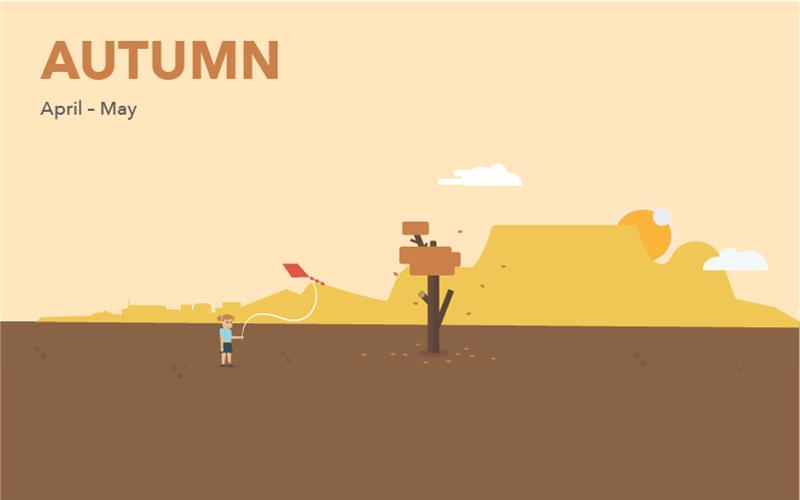
April
Artichoke, broad beans, broccoli, cabbage, carrot, cauliflower, garlic, leek, lettuce, onion, spring onion, peas, radish, and spinach.

May
Artichoke, broad beans, broccoli, cauliflower, lettuce, onion, spring onion, peas, radish, and spinach.

June
Artichoke, broad beans, broccoli, cauliflower, lettuce, onion, spring onion, peas, radish, and spinach.

July
Artichoke, broad beans, beetroot, butternut, cabbage, carrot, cauliflower, lettuce, onion, peas, potato, and tomato

August
Artichoke, beetroot, cabbage, carrot, cauliflower, corn/maize, lettuce, spring onion, peas, potato, radish, tomato.

September
Artichoke, baby marrow, beetroot, cabbage, carrot, cauliflower, corn/maize, cucumber, leek, lettuce, melon/cantaloupe, spring onion, potato, pumpkin, radish, tomato, and watermelon.

October
Asparagus, baby marrow, beetroot, butternut, cabbage, carrot, cauliflower, cucumber, corn/maize, leek, lettuce, melon/cantaloupe, spring onion, pumpkin, radish, tomato, and watermelon.

Please note

This planting calendar is a guideline only – results may vary depending on your soil and microclimate.

Document downloads

You have disabled JavaScript on your browser.
Please enable it in order to use City online applications.